
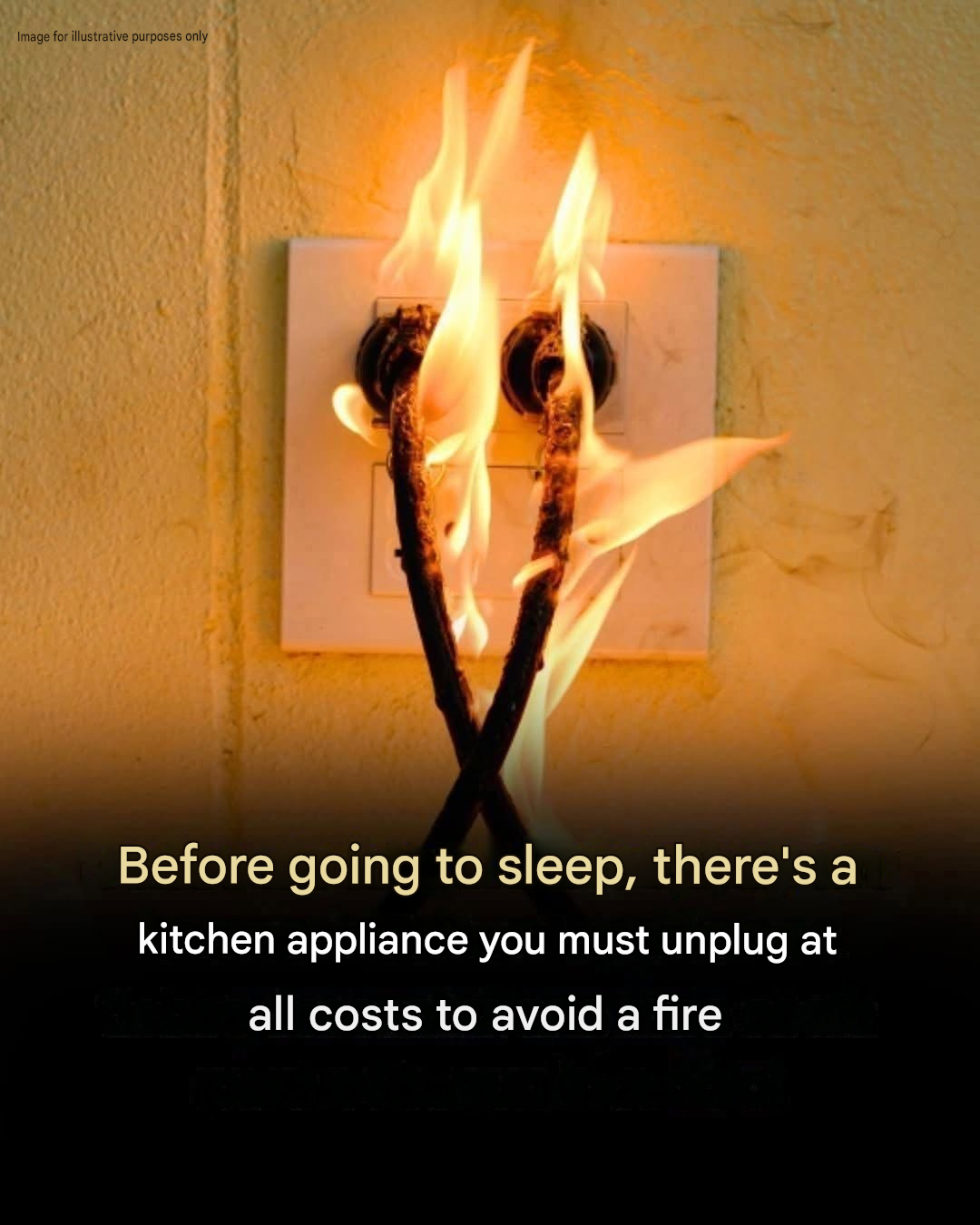
Coffee makers are convenient, but they come at a hidden cost. Many models constantly draw electricity to power their built-in clocks or keep the water hot for quick brewing. This continuous consumption adds up over time and impacts your electricity bill. It also puts stress on internal components, especially if the machine is used for several hours a day. If a heating element fails while it's plugged in, it can overheat. This could lead to smoke or, in the worst-case scenario, a fire. Coffee makers are often placed near curtains or papers, which are easily flammable. Unplugging your coffee maker after use helps prevent this and saves energy. Some people think the automatic shut-off is sufficient, but this only stops the brewing process, not the flow of energy. Getting into the habit of unplugging it makes mornings safer and helps your coffee maker perform better.
3. Air fryers
Air fryers are everywhere these days, but many people don't realize they continue to consume energy even when plugged in. Like many modern appliances, air fryers have digital displays and memory settings that require a constant power supply. Even when not actively cooking, they draw energy if left connected. Leaving them plugged in also increases the risk of a short circuit, especially if there's grease or debris around the plug. If the heating element fails, it could overheat unexpectedly. This is dangerous, particularly if the appliance is near towels, paper towels, or other flammable materials. The internal fan can also remain hot for a while, even after you've finished using it. Waiting for it to cool down and then unplugging it is a safe practice. It's a small step that improves overall kitchen safety and lowers your electricity bill.
4. Room heaters
Electric heaters provide much-needed warmth, but they are also known to cause fires if used carelessly. Even when switched off, many continue to draw power if left plugged in. If one is knocked over or bumped while connected, it could overheat or short-circuit. This is especially dangerous in homes with pets or small children. Older models may lack modern safety features, such as automatic shut-off or temperature sensors, which is why these appliances should be unplugged. If there is anything flammable nearby, such as a blanket, towel, or curtain, the danger increases. Plugging heaters into extension cords or outlets that are already in use is also a significant risk. These small devices draw a lot of power and can easily overload a circuit. It is best to unplug the heater every time you finish using it. This habit keeps your home safer and prolongs the appliance's lifespan.
5. Microwave
CONTINUE READING...>>
To see the complete cooking instructions, go to the next page or click the Open (>) button and don't forget to SHARE it with your friends on Facebook.