

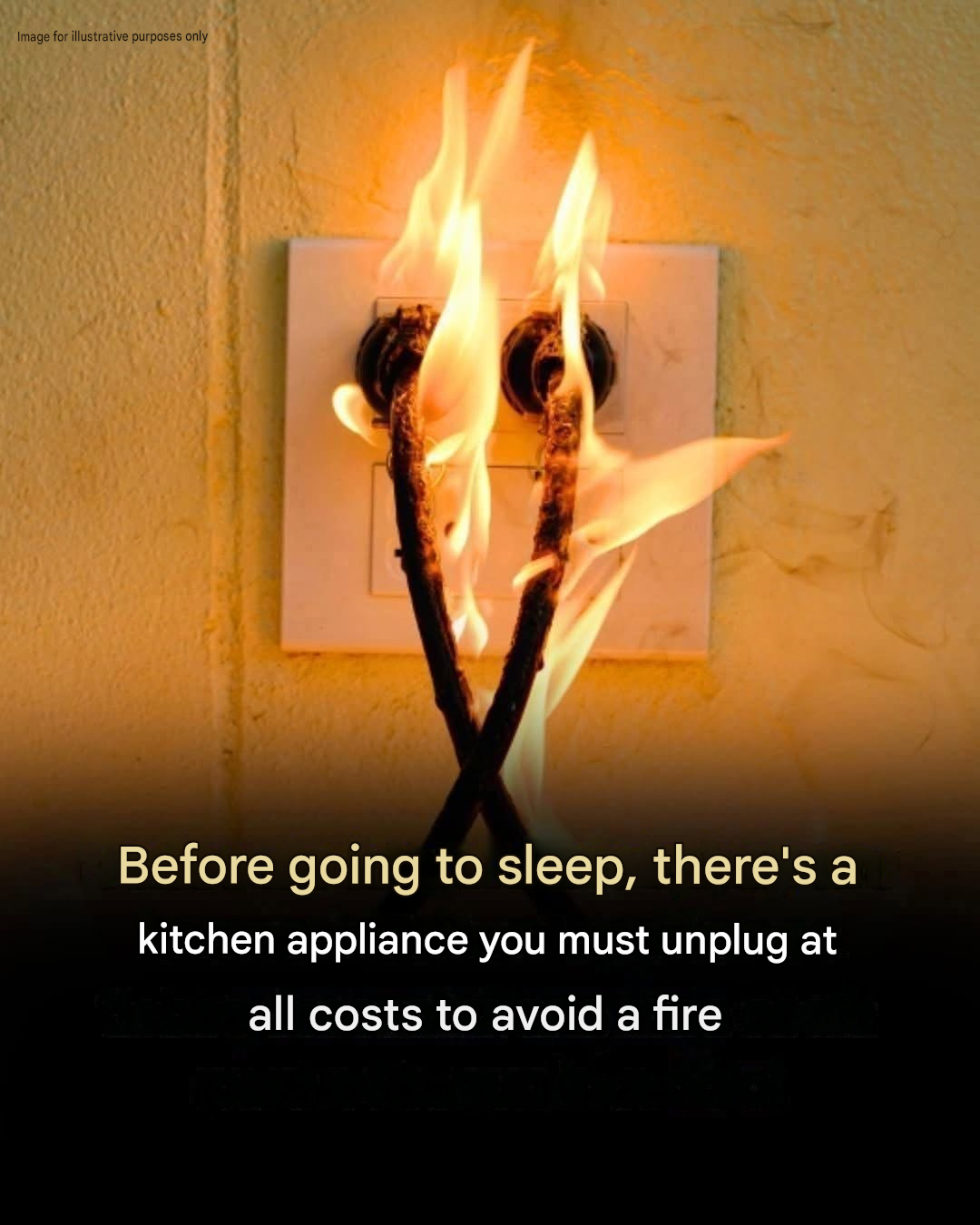
Microwaves are among the most energy-intensive appliances in the kitchen. The clock display alone consumes electricity throughout the day. Many models keep their internal circuitry active even when not in use, allowing them to respond instantly to the touch of a button. This convenience comes at a cost, not only to your wallet but also to your home's safety. Grease and food splatters inside the microwave can cause a fire if the appliance malfunctions. A short circuit in the control panel can cause sparks, especially in older units. Surrounding the microwave with paper towels, cookbooks, or wooden shelves increases the risk. Taking the time to unplug it helps prevent these problems. It also gives you a moment to check for spills or grime that needs cleaning. This small change can make a big difference to your kitchen's safety.
6. Additional tips for keeping your home safe
Besides unplugging appliances, there are other simple steps you can take to protect your home. First, check cords and plugs frequently for signs of damage, such as cracks or wear. If you notice anything unusual, replace the cord or the entire appliance immediately. Don't overload outlets or power strips, especially with heat-generating appliances like toasters or space heaters. Surge protectors help protect your expensive electronics during storms or power outages. Make sure you have working smoke detectors in every room where appliances are used, not just the kitchen. Change the batteries in your appliances at least twice a year. Keep items like curtains, towels, and paper towels away from any heat source. Teach children which appliances are safe and which they should never touch unsupervised. Keep instruction manuals in an easily accessible place so you can refer to them when needed. A few simple habits can help prevent accidents and give you peace of mind.
7. Simple ways to save electricity
Reducing your electricity consumption doesn't require huge sacrifices, just a few smart habits you can incorporate into your routine. Start by replacing traditional incandescent light bulbs with energy-efficient LED bulbs. They use less energy and last much longer. Lower your thermostat a few degrees in winter and raise it in summer to reduce the load on your heating and cooling system. When washing clothes, use cold water and always wash full loads to maximize efficiency. Keep your refrigerator temperature between 3 and 4 degrees Celsius for optimal energy consumption. Use ceiling fans to help circulate the air instead of leaving the air conditioning on all the time. Another helpful tip is to use smart power strips that turn off electronic devices when they're not in use. These power strips detect standby mode and cut off unnecessary power. Finally, unplug chargers and small devices when you're finished using them, as they continue to consume energy even when they're not connected to anything. Small steps like these can lead to big savings.
Conclusion
CONTINUE READING...>>
To see the complete cooking instructions, go to the next page or click the Open (>) button and don't forget to SHARE it with your friends on Facebook.