

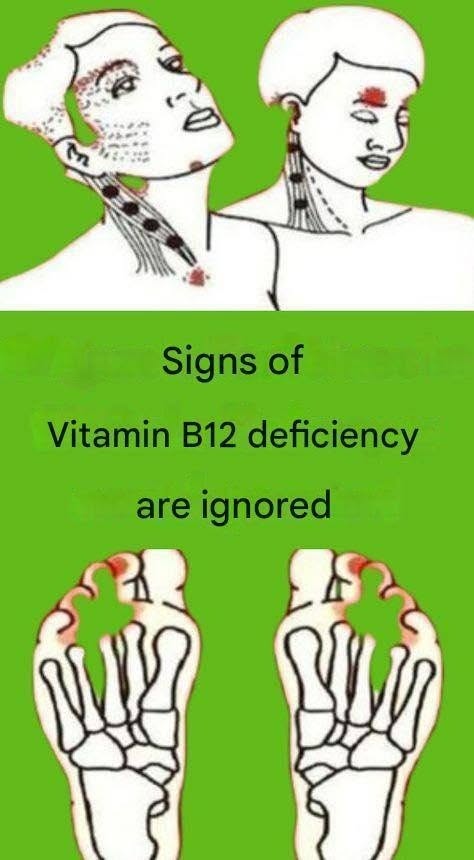
You wake up exhausted despite 8 hours of sleep. Your hands tingle for no reason. You stumble slightly when walking. You brush it off as stress, aging, or "just how life is." But these could be red flags for vitamin B12 deficiency—a condition that's often missed because symptoms creep in slowly and mimic other issues.
Left untreated, B12 deficiency can cause permanent nerve damage. But caught early? It's highly treatable.
Let's cut through the confusion with clear, actionable facts.
Why Vitamin B12 Matters
Vitamin B12 is essential for:
-
-
Red blood cell formation – Prevents anemia
-
Nerve function – Maintains the protective myelin sheath around nerves
-
-
DNA synthesis – Supports cell production and repair
-
Energy production – Helps convert food into usable energy
Your body doesn't make B12. You must get it from food or supplements. And because your liver stores B12 for years, deficiency can develop slowly and go unnoticed until stores are significantly depleted.
Who's Most at Risk?
| Risk Group | Why |
|---|---|
| Older adults | Reduced stomach acid makes absorption harder |
| Vegetarians and vegans | B12 is naturally found in animal products |
| People with digestive disorders | Crohn's, celiac, or IBS can impair absorption |
| Those on certain medications | Metformin, proton pump inhibitors (PPIs), and some acid reducers |
| People who've had weight loss surgery | Altered digestion affects absorption |
| Heavy alcohol users | Affects absorption and liver storage |
10 Signs of B12 Deficiency
1. Unexplained Fatigue
You're sleeping enough, but you're still exhausted. B12 helps make red blood cells that carry oxygen. When levels drop, your cells literally starve for oxygen, leaving you drained.
2. Numbness or Tingling in Hands and Feet
B12 deficiency damages the myelin sheath that protects your nerves. This often first appears as "pins and needles" in your extremities.
3. Balance Problems and Unsteady Gait
Nerve damage can affect coordination. You might stumble, feel unsteady, or have trouble walking in a straight line.
4. Brain Fog and Memory Issues
B12 is crucial for brain health. Deficiency can cause confusion, poor concentration, forgetfulness, and even mimic dementia in older adults.
5. Pale or Yellowish Skin
B12 deficiency affects red blood cell production, leading to anemia. This can make skin look pale or slightly jaundiced (yellowish).
6. Swollen, Red Tongue
A smooth, red, inflamed tongue (glossitis) is a classic sign. Some people also notice changes in taste.
7. Mouth Ulcers
Recurring canker sores can sometimes signal B12 deficiency.
8. Shortness of Breath and Heart Palpitations
With fewer red blood cells to carry oxygen, your heart works harder. You might feel winded after minimal activity or notice a racing heartbeat.
9. Vision Changes
Nerve damage can affect the optic nerve, causing blurred or disturbed vision.
10. Mood Changes
Depression, irritability, and anxiety can all be linked to low B12 levels.
Continued on next page//
To see the complete cooking instructions, go to the next page or click the Open (>) button and don't forget to SHARE it with your friends on Facebook.